
Are Dental Implants Permanent?
If you are thinking about replacing a missing tooth, the first question you probably have is simple: how long do dental implants last? The reassuring answer is that they are the most durable tooth replacement option available. With good care, a single implant can last 20 years or more, and many people keep theirs for life. That longevity is a big reason patients across the North West choose dental implants in Liverpool over shorter-lived alternatives. In this guide, the clinical team at REVO Dent explains what the evidence really shows, what influences implant lifespan, and how to protect your new smile for decades.
How Long Do Dental Implants Last on Average?
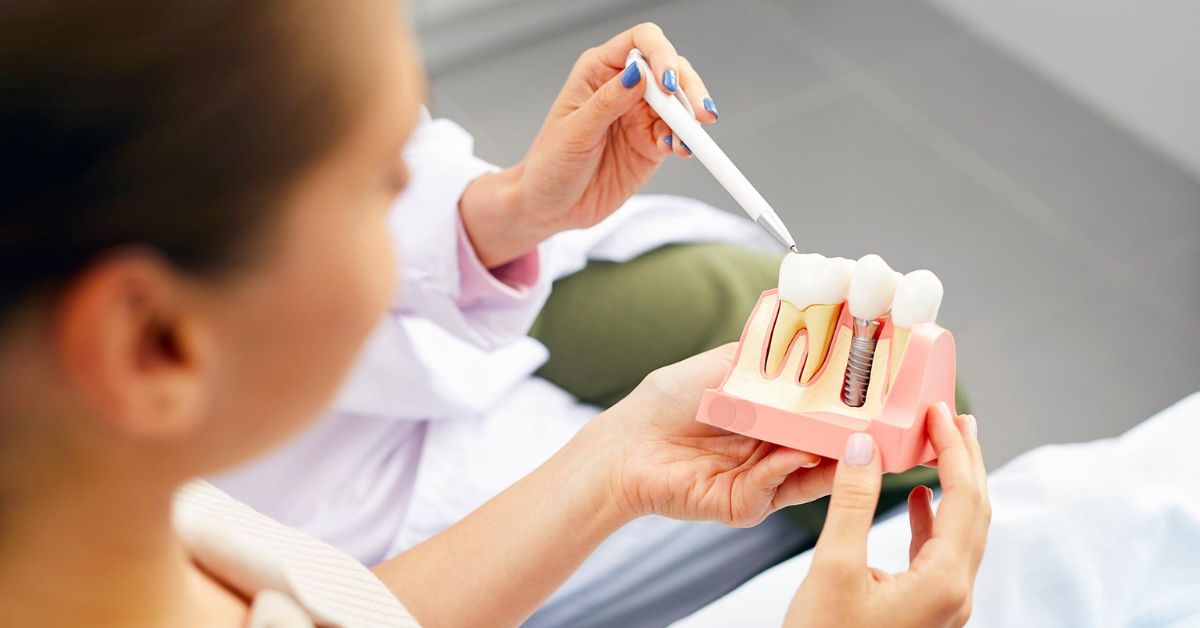
The implant itself is a slim titanium screw that the surgeon positions within your jaw, and over the following weeks the surrounding bone grows around it to lock it firmly in place. This biological bonding process is known as osseointegration, and it gives the implant a stable, root like foundation.
The research on implant longevity is strong. One large cohort study that followed more than 10,000 implants for up to 22 years recorded a survival rate of roughly 96.8 percent at ten years and 94 percent at fifteen years (read the study on PubMed Central). Systematic reviews report similar numbers, with around 95 to 97 in every 100 implants still functioning well after a decade in healthy patients. Put simply, a well placed and properly maintained implant commonly lasts well beyond 20 years, and a good proportion serve their owners for a lifetime.
It is worth being honest about one thing. No dentist can guarantee an exact figure, because your own lifespan depends heavily on your general health, your oral hygiene and how closely you stick to your aftercare. The numbers above describe what is realistic, not a promise for every individual.
The Implant Lasts Longer Than the Crown
A common point of confusion is the idea that the whole implant wears out at once. In reality, each component has its own life expectancy.
The titanium post is the longest lasting part and often remains stable for several decades or a lifetime once it has integrated with the bone. The abutment, the small connector between the post and the crown, may need attention after 15 to 20 years. The crown takes the most punishment and typically lasts 10 to 15 years before everyday wear means it benefits from replacement.
The good news is that a worn crown can usually be renewed without disturbing the implant beneath it. So when people say their implant lasted a lifetime, what often happens is that the root stayed in place while the visible tooth was refreshed once along the way.
What Affects How Long Dental Implants Last?
Implant lifespan is not fixed at the moment of surgery. Your daily habits and overall health play an enormous role in how long your results hold up.
Oral Hygiene and Gum Health
This is the single biggest factor within your control. Bacteria can build up around an implant just as it does around a natural tooth, leading to inflammation and a condition called peri-implantitis. Left untreated, this can erode the supporting bone and cause the implant to fail. Keeping gums healthy is essential, which is why we treat any underlying gum disease before placing implants and monitor your gums closely afterwards.
Smoking
Tobacco restricts blood flow to the gums and slows healing, which raises the risk of an implant failing to bond with the bone. UK health guidance is consistent on this point and recommends giving up smoking to lower the chance of complications, as the NHS explains in its overview of dental treatments.
General Health
Conditions such as poorly controlled diabetes can interfere with healing and have been linked in studies to higher rates of implant failure. Sharing your full medical history at your consultation helps us plan around any risks.
Bone Quality and Quantity
An implant needs enough healthy jawbone to anchor into. Where bone has been lost following extraction, a bone graft or socket preservation can rebuild the foundation so the implant has the support it needs for the long term.
Bite Forces and Grinding
Heavy clenching or teeth grinding places extra strain on the crown and connections. A simple night guard often protects your investment if this applies to you.
The Skill of Placement
Accurate positioning matters enormously. Implants planned and placed with precision integrate more reliably and last longer, which is why the experience of your clinician is so important.
How to Make Your Dental Implants Last Longer?
The habits that protect implants are largely the same as those that protect natural teeth, with a little extra attention.
Brush twice a day with a soft brush and clean between your teeth daily using interdental brushes or floss designed for implants. Attend your routine check ups and hygiene appointments so any early signs of trouble are caught quickly. Our laser assisted gum care is particularly effective at keeping the tissue around implants free of harmful bacteria. Avoid using your teeth as tools, ease off very hard foods on a fresh restoration, and wear a night guard if you grind. If you smoke, getting support to stop is one of the most valuable things you can do for your long term oral health.
How Implants Compare With Bridges and Dentures?
When you look at the full picture, implants stand out for durability. Dentures usually need relining or replacing every five to eight years, and conventional bridges often last around 10 to 15 years. Because they sit on top of the gum or rely on neighbouring teeth, neither option protects the jawbone the way an implant does.
An implant is the only solution that replaces the tooth root, which helps preserve bone and maintain your facial structure over time. If you are exploring your options for replacing missing teeth, this longevity often makes implants the better value choice across a lifetime, even though the upfront cost is higher.
Why Lasting Results Start With Expert Placement?
At our Rodney Street clinic, your treatment is overseen by principal implant dentist Dr Dix Premsingh Prasath (GDC 104298). His training includes a Master’s in Implant Dentistry awarded by Warwick, a further Master’s in Restorative Aesthetic Dentistry from Manchester, and a laser dentistry fellowship. You can read more about our experienced clinical team and their approach.
We plan every case in three dimensions using digital scans and CBCT imaging, then place each implant with a custom surgical guide for accuracy. Laser assisted healing reduces discomfort and supports faster integration, while only premium implant systems are used. As a clinic regulated by the CQC and the GDC, and serving Liverpool patients since 2007, we focus on results that are designed to last. We also keep treatment accessible with transparent pricing and flexible payment plans, which you can explore on our fees and finance.
Frequently Asked Questions
For many patients, yes. The titanium post frequently lasts for life once it has fused with the bone. The crown on top may need replacing every 10 to 15 years due to normal wear, but this can be done without removing the implant.
The leading biological cause is peri-implantitis, an infection of the gum and bone around the implant driven by bacteria. Good oral hygiene, healthy gums and regular professional cleaning are the best ways to prevent it.
Not complicated care, but consistent care. Brush and clean between your teeth daily, attend your check ups and hygiene visits, and protect the crown from grinding. Treat them like natural teeth and they will reward you.
Yes. Smoking slows healing and increases the risk of failure, both during the early integration phase and over the years that follow. Stopping smoking significantly improves your chances of a long lasting result.
For most people, yes. Implants last considerably longer, protect the jawbone and feel like natural teeth, which often makes them the most cost effective option over a lifetime.
Early failures, where the implant does not bond with the bone, are uncommon and usually become apparent within the first few months. After successful integration, the long term outlook is excellent with proper maintenance.
