
Why Are My Gums Bleeding When Brushing?
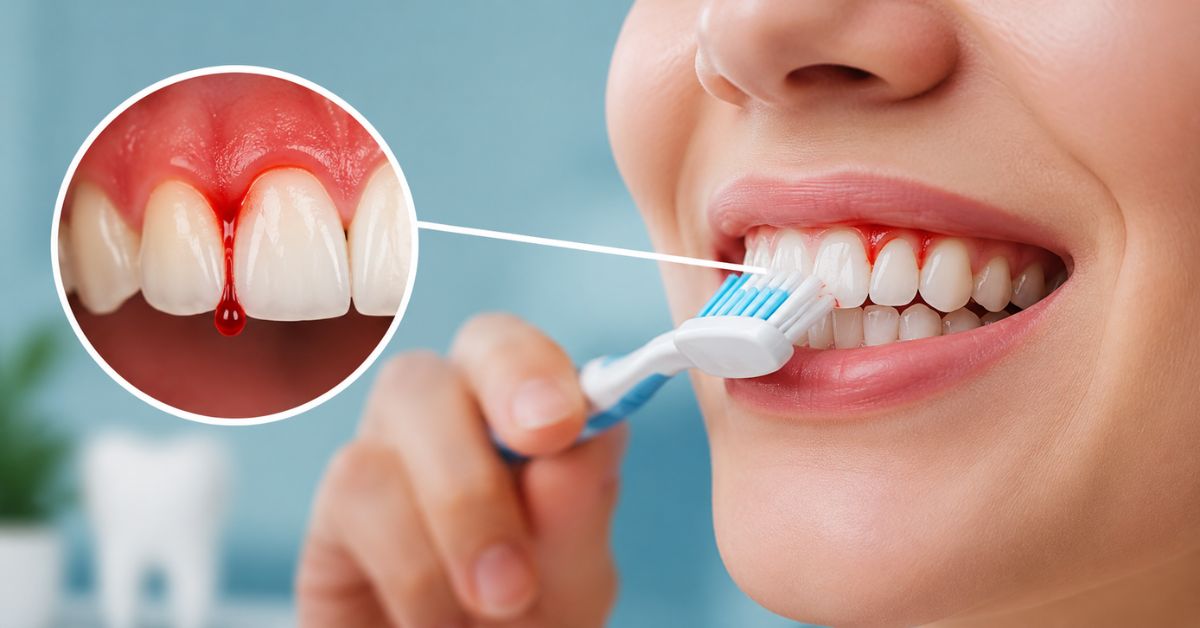
If you notice bleeding gums when brushing, it can be alarming. Many people assume it happens because they brushed too hard, but persistent bleeding is often your body’s way of telling you something is wrong. Healthy gums should not bleed during brushing or flossing. Even a small amount of blood may indicate inflammation or the early stages of gum disease.
The good news is that most gum problems can be treated successfully when diagnosed early. Whether it’s improving your oral hygiene or receiving advanced laser gum treatment, acting quickly can protect your teeth and gums for years to come.
What Does It Mean If Your Gums Bleed When Brushing?
Occasional bleeding after brushing aggressively isn’t usually a major concern. However, if your bleeding gums when brushing teeth continue for several days or happen every time you brush, it’s often a sign that plaque bacteria have irritated your gums.
When plaque remains around the gum line, your immune system reacts, causing inflammation. This early stage is called gingivitis, and it is completely reversible if treated promptly.
Ignoring the warning signs allows the infection to spread deeper below the gums, potentially leading to periodontal disease, bone loss, and even tooth loss.
Why Are My Gums Bleeding When Brushing?
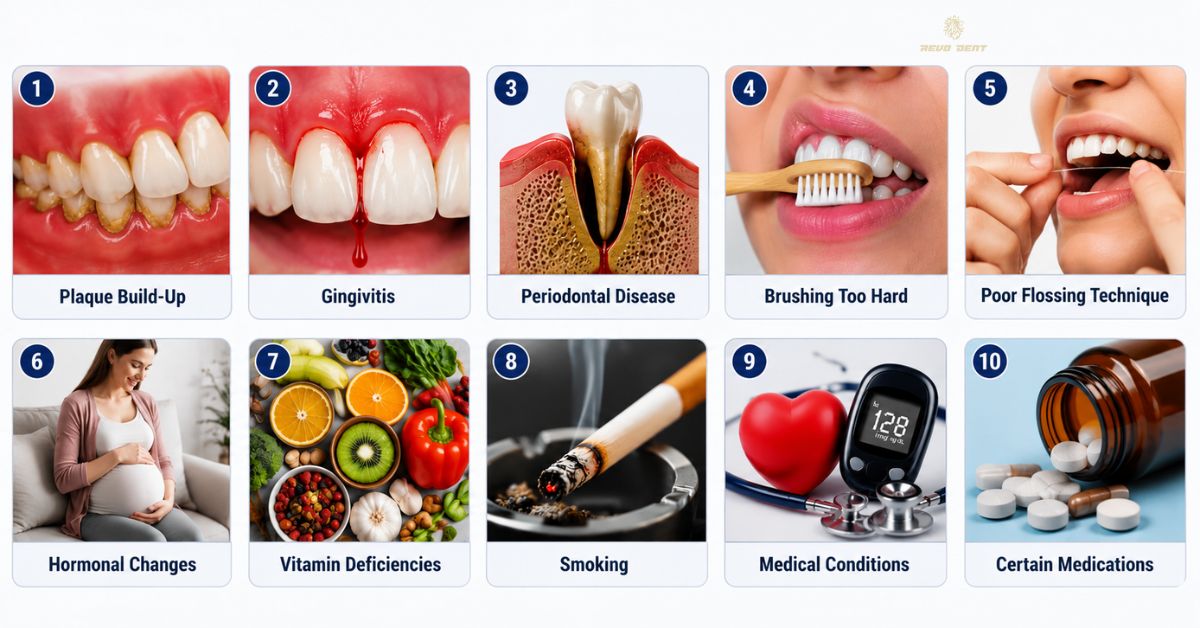
There are several reasons why gums bleed when brushing.
1. Plaque Build-Up
The most common cause is plaque accumulation around the gum line. Plaque contains bacteria that produce toxins, irritating gum tissue and causing inflammation. Inflamed gums become swollen and bleed easily during brushing or flossing.
Without regular cleaning, plaque hardens into tartar, making it impossible to remove at home.
2. Gingivitis
Gingivitis is the earliest stage of gum disease. Common symptoms include:
- Bleeding while brushing
- Red gums
- Puffy gums
- Tenderness Bad breath
Because gingivitis rarely causes pain, many people don’t realise they have it until bleeding becomes frequent.
3. Periodontal Disease
If gingivitis is left untreated, bacteria move beneath the gums.
The infection damages:
- Gum tissue
- Bone supporting the teeth
Periodontal ligament Symptoms include:
- Bleeding gums
- Loose teeth
- Gum recession
- Persistent bad breath
- Pus around gums
Professional treatment becomes essential at this stage.
4. Brushing Too Hard
Using excessive force or a hard-bristled toothbrush can irritate delicate gum tissue. Instead, dentists recommend:
- Soft toothbrushes
- Gentle circular brushing
- Electric toothbrushes with pressure sensors
Remember, healthy gums generally won’t bleed even with firm brushing, so persistent bleeding deserves investigation.
5. Poor Flossing Technique
Many people stop flossing because their gums bleed. Ironically, bleeding usually occurs because plaque has accumulated between teeth.
Once plaque is removed consistently, bleeding often reduces within one to two weeks.
6. Hormonal Changes
Pregnancy, puberty, and menopause increase blood flow to gum tissues, making them more sensitive. Pregnancy gingivitis is particularly common, making regular dental check-ups especially important.
7. Vitamin Deficiencies
Low levels of Vitamin C or Vitamin K can affect gum health and healing. A balanced diet rich in fruits, vegetables, and leafy greens supports healthy gums.
8. Smoking
Smoking restricts blood circulation and weakens the immune system. Smokers often experience advanced gum disease with fewer obvious symptoms, making regular dental examinations even more important.
9. Medical Conditions
Certain conditions may increase the risk of bleeding gums, including:
- Diabetes
- Blood clotting disorders
- Leukaemia
- Autoimmune diseases
If bleeding is persistent despite good oral hygiene, your dentist may recommend consulting your GP.
10. Certain Medications
Blood-thinning medications may make gums bleed more easily.
Examples include:
- Warfarin
- Aspirin
- Some anticoagulants
Never stop medication without medical advice, but inform your dentist about any prescriptions you’re taking.

Is Bleeding Gums a Sign of Gum Disease?
Yes. One of the earliest signs of gum disease is bleeding during brushing or flossing.
Other warning signs include:
- Red gums
- Swollen gums
- Tender gums
- Bad breath
- Receding gums
- Loose teeth
- Sensitive teeth
- Pus around gums
- Changes in bite
The earlier gum disease is treated, the better the long-term outcome.
What Happens If You Ignore Bleeding Gums?
Ignoring bleeding gums can lead to serious oral health problems.
- Gum Recession: As inflammation progresses, gums begin pulling away from the teeth. This exposes tooth roots, increasing sensitivity and the risk of decay.
- Bone Loss: Periodontal disease gradually destroys the bone supporting your teeth. Bone loss cannot always be reversed.
- Loose Teeth: Without healthy bone support, teeth become mobile. Eventually, tooth extraction may become necessary.
How Dentists Diagnose Bleeding Gums?
At REVO Dent, your dentist will carefully examine your gums to determine the cause and the stages of gum disease.
Your assessment may include:
- Comprehensive gum examination
- Measuring gum pockets
- Digital X-rays
- Plaque assessment
- Checking for loose teeth
- Reviewing your oral hygiene routine
A personalized treatment plan is then created based on your gum health.
Treatment for Bleeding Gums
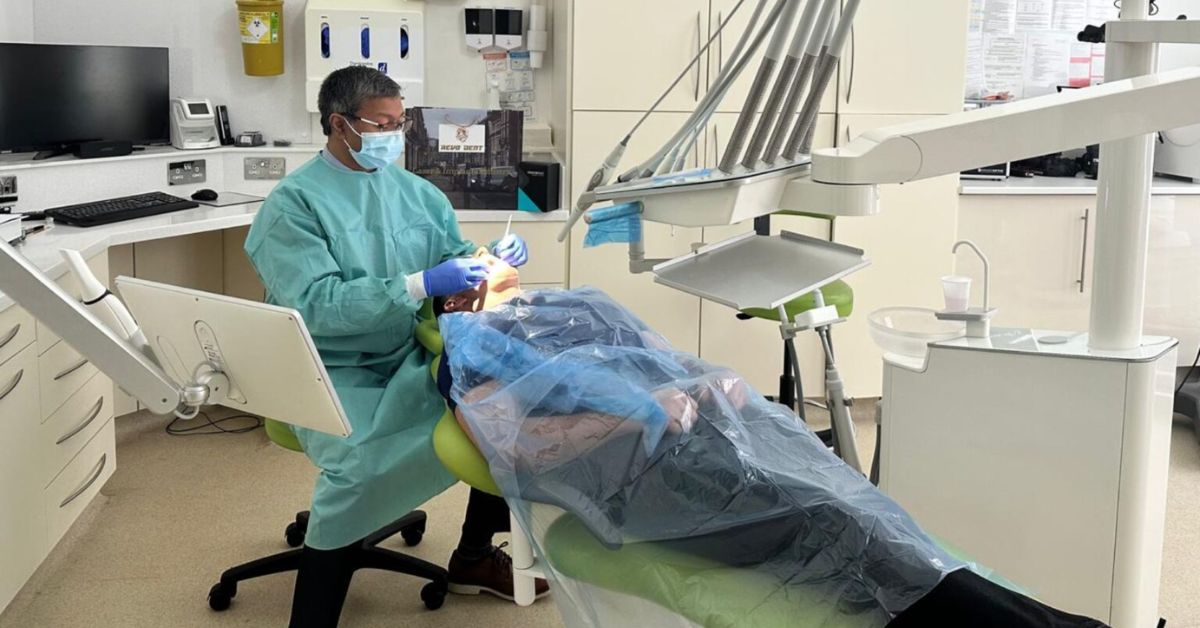
The right treatment for bleeding gums when brushing depends on the underlying cause and the severity of the condition. At REVO Dent, we begin with a comprehensive gum health assessment to identify whether your bleeding is caused by early gingivitis or more advanced periodontal disease. Once diagnosed, we create a personalized treatment plan to restore your gum health and prevent further damage.
For moderate to advanced gum disease, REVO Dent offers REVO NAP™ (Revolutionised New Attachment Procedure) an innovative laser gum treatment designed to treat infection while encouraging the body’s natural healing process.
Using a multi-wavelength laser system, REVO NAP™ helps to:
- Eliminate harmful bacteria and infection beneath the gum line
- Remove diseased tissue while preserving healthy gum tissue
- Stimulate collagen production and support bone regeneration
- Encourage the gums to reattach naturally to the tooth surface
Unlike traditional gum surgery, this minimally invasive treatment is designed to improve gum health with greater precision, less discomfort, and faster recovery. By targeting infected areas while protecting healthy tissue, REVO NAP™ supports long-term periodontal stability and helps patients maintain healthier gums with minimal intervention.
Key Takeaways
- Bleeding gums when brushing are usually an early warning sign of gum disease and should not be ignored.
- Daily brushing, flossing, and regular dental check-ups can help prevent and reverse early-stage gum disease.
- Professional treatment is essential if your gums continue to bleed, as untreated gum disease can lead to gum recession, bone loss, and tooth loss.
- REVO NAP™ laser gum treatment at REVO Dent removes infection, preserves healthy gum tissue, and supports natural healing.
- Early diagnosis and timely treatment offer the best chance of restoring healthy gums and maintaining a confident, healthy smile.
