
Do I Have Gum Disease?
If your gums bleed when brushing, look red or swollen, feel tender, or you have persistent bad breath, you may have signs of gum disease. However, symptoms alone cannot confirm a diagnosis, and early gum disease can sometimes develop without noticeable discomfort.
If you’ve ever asked yourself, “Do I have gum disease?”, you’re not alone. Gum disease affects millions of people across the UK, and many people don’t realise they have it until it progresses. Recognising the warning signs and seeking professional dental care early can help protect your teeth, gums and overall oral health.
The good news is that gum disease can often be effectively managed when it is identified and treated early. Recognising the symptoms and seeking professional care from an experienced dentist in Liverpool can help protect your teeth, gums, and overall health.
At REVO Dent, we use advanced technologies, including REVO NAP™ and modern laser gum treatment, to diagnose and treat gum disease comfortably and effectively.
What Is Gum Disease?
Gum disease, also known as periodontal disease, is a bacterial infection that affects the gums and supporting structures around your teeth.
It usually begins with gingivitis, where plaque builds up along the gumline and causes inflammation. Without treatment, it can develop into periodontitis, leading to gum recession, bone loss, loose teeth, and eventually tooth loss.
Gum disease can develop gradually, and symptoms may not always be obvious in its early stages. Without treatment, more advanced periodontal disease can damage the tissues and bone supporting your teeth.
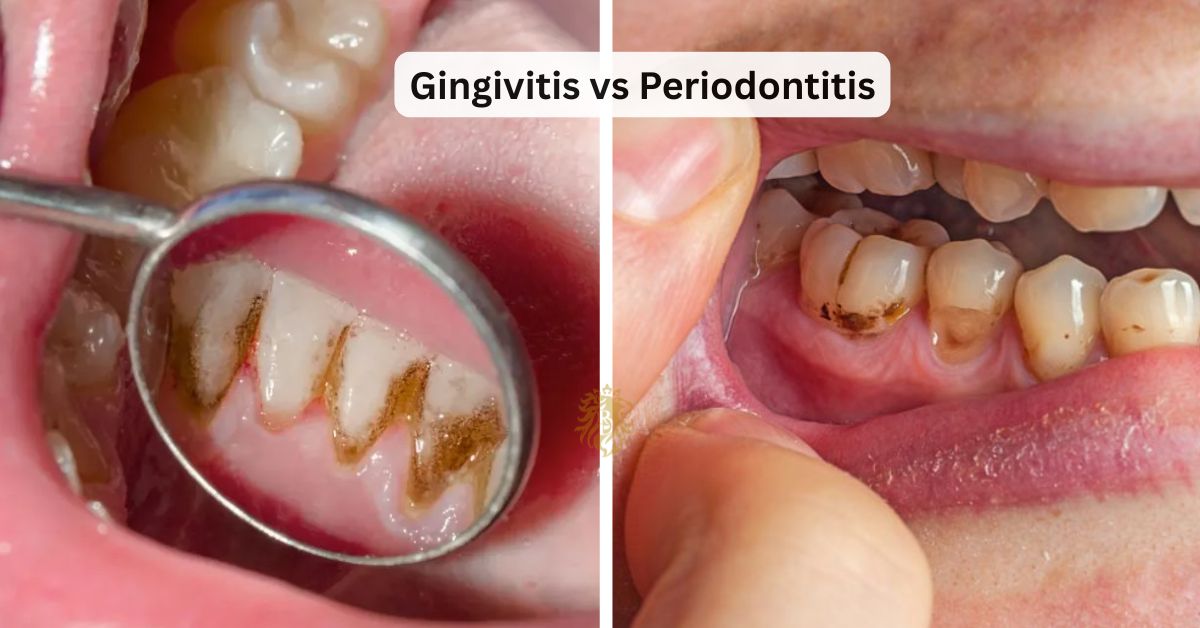
Gingivitis vs Periodontitis: What’s the Difference?
Gingivitis is the early stage of gum disease. It causes inflammation of the gums and may result in redness, swelling and bleeding. With appropriate treatment and improved oral hygiene, gingivitis can usually be reversed.
Periodontitis is a more advanced form of gum disease. It can affect the tissues and bone supporting your teeth, potentially causing gum recession, bone loss, loose teeth and tooth loss.
How Do I Know I Have Gum Disease If It Doesn’t Hurt?
One of the biggest misconceptions is that gum disease always causes pain.
In reality, early gum disease is usually painless.
Many people don’t notice any discomfort until the disease has become severe. That’s why regular dental check-ups are essential, even if your teeth feel fine.
10 Early Signs of Gum Disease
Knowing the Signs of Gum Disease can help you seek treatment early and prevent long-term damage.
1. Bleeding Gums
One of the earliest and most common signs of gum disease is bleeding gums. If you notice blood when brushing, flossing, or biting into hard foods like apples, your gums may be inflamed. Healthy gums should not bleed during your daily oral care routine.
Bleeding usually occurs because plaque bacteria irritate the gum tissue, causing inflammation. While occasional bleeding may result from brushing too hard, frequent or persistent bleeding should never be ignored and should be assessed by a dentist.
2. Red or Swollen Gums
Healthy gums are firm, pale pink, and fit snugly around your teeth. Gums that appear red, swollen, shiny, or feel tender when touched are often responding to bacterial infection.
Inflamed gums are one of the first signs of gingivitis, the earliest stage of gum disease. At this point, the condition is usually reversible with professional dental care and improved oral hygiene.
3. Persistent Bad Breath
Bad breath that doesn’t improve after brushing or using mouthwash may be a sign of gum disease. Bacteria associated with gum disease can contribute to persistent bad breath and an unpleasant taste in the mouth.
If family members or friends regularly notice bad breath despite good oral hygiene, it’s worth booking a dental examination to rule out gum disease.
4. Gum Recession
Have your teeth started looking longer than they used to? This may indicate that your gums are receding.
As gum disease progresses, the gums gradually pull away from the teeth, exposing the sensitive tooth roots. Gum recession not only affects your smile’s appearance but also increases the risk of tooth sensitivity, decay, and further infection.
5. Sensitive Teeth
If you experience sharp pain when eating hot, cold, sweet, or acidic foods, exposed tooth roots caused by gum recession could be the reason.
As the gums pull away, the protective covering over the roots is lost, making the teeth much more sensitive to temperature changes and certain foods.
6. Pain When Chewing
Healthy teeth and gums should allow you to eat comfortably. If chewing causes discomfort, tenderness, or pain around your gums, it can be associated with inflammation, infection or other dental problems.
Pain while chewing can become more noticeable as gum disease progresses and should always be evaluated by a dental professional.
7. Loose Teeth
As periodontal disease advances, it damages the bone and ligaments that hold your teeth in place.
This can cause teeth to become loose, shift position, or develop gaps between them. Loose teeth are a sign of advanced gum disease and require prompt treatment to prevent tooth loss.
8. Pus Between Teeth and Gums
The presence of pus between your gums and teeth can indicate an active infection. You may notice a small swelling, discharge, or an unpleasant taste in your mouth.
Pus should never be ignored, as it may indicate a gum abscess or periodontal infection that requires prompt dental assessment.
9. Changes in Your Bite
If your bite suddenly feels different or your teeth no longer meet properly when you close your mouth, gum disease may be affecting the supporting bone.
As bone loss occurs, teeth can gradually move out of position, altering your natural bite and making chewing less comfortable.
10. Gaps Developing Between Teeth
Have you noticed new spaces appearing between teeth that were previously close together? This can happen when periodontal disease damages the bone and supporting tissues around your teeth, allowing them to shift position over time.
These gaps may also trap more food and bacteria, making the condition worse if left untreated.
Can I Check for Gum Disease at Home?
You can look for warning signs such as bleeding when brushing, swollen or red gums, persistent bad breath, gum recession, tooth sensitivity or changes in the position of your teeth. However, checking your gums at home cannot confirm whether you have gum disease.
A dental examination is needed to assess the health of your gums and supporting bone and determine whether treatment is required.
Can Gum Disease Affect Your Overall Health?
Gum disease has been associated with several wider health conditions, including diabetes and cardiovascular disease. However, an association does not necessarily mean that gum disease directly causes these conditions. Maintaining good gum health is an important part of looking after your overall health.
Research has also explored possible associations between gum disease and conditions such as:
- Cardiovascular disease
- Diabetes Stroke
- Pregnancy complications
- Respiratory conditions
More research is needed to fully understand the relationship between gum disease and these wider health conditions.
How Is Gum Disease Diagnosed?
Your dentist or periodontal professional may examine your gums for redness, swelling, bleeding and recession. They may also measure the depth of the spaces around your teeth and check for signs of tooth movement or changes in your bite. Dental X-rays may be recommended when necessary to assess the supporting bone.
How Is Gum Disease Treated?
Treatment depends on the type and severity of gum disease. Early gum disease may often be managed with professional cleaning and improved daily oral hygiene. More advanced periodontal disease may require deeper cleaning and additional periodontal treatment. Your dentist will recommend an approach based on your individual gum health.
At REVO Dent, we offer REVO NAP™, an advanced periodontal therapy designed to support the treatment of gum disease and unhealthy gum tissue. Dr Dix can assess your gum health and determine whether this treatment is suitable for your individual needs.
Don’t Ignore the Early Signs
If you’ve been wondering, “Do I have gum disease?”, don’t ignore the warning signs that your gums may need professional attention. The earlier gum disease is diagnosed, the easier it is to treat and manage. Regular check-ups with a trusted dentist in Liverpool can help prevent permanent damage and keep your smile healthy for years to come.
If you’re experiencing any symptoms, contact REVO Dent today to schedule a comprehensive gum health assessment and learn whether advanced laser gum treatment therapy is the right solution for you.
