
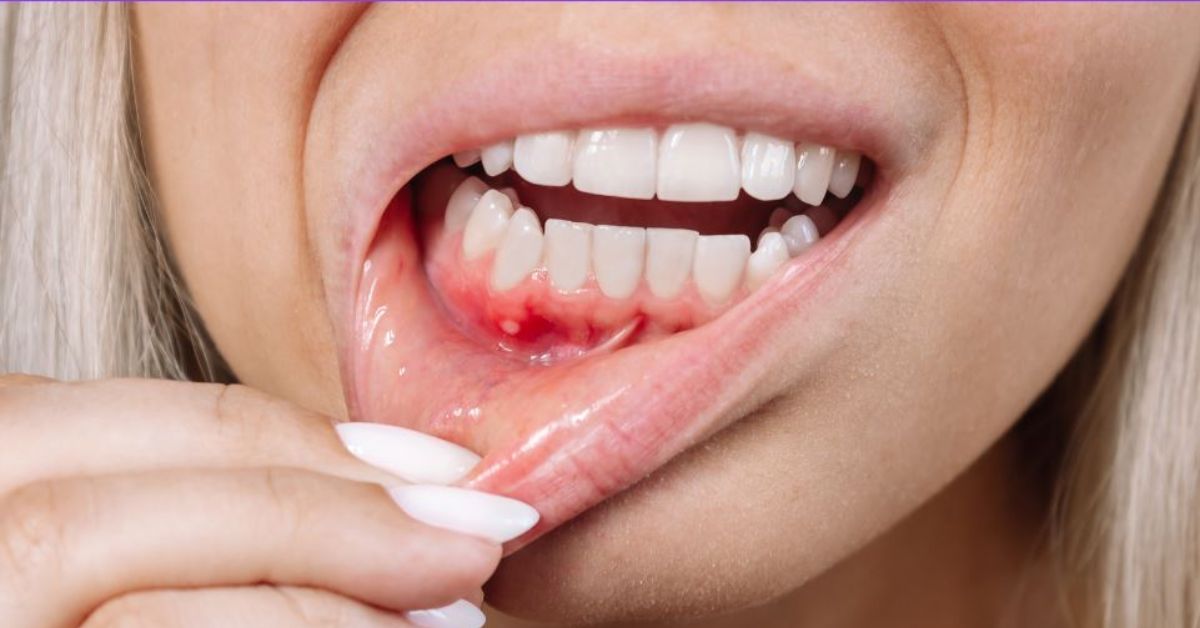
What Are the Signs of Gum Disease I Should Watch For?
Most people think gum disease only affects older adults or those with poor oral hygiene. In reality, gum disease can affect anyone, and the earliest symptoms are often so mild that they’re easy to overlook. Ignoring the early signs of gum disease can eventually lead to serious infections, loose teeth, bone loss, and even tooth loss. The good news is that when detected early, gum disease is highly treatable and often reversible.
At REVO Dent, our experienced Dentist in Liverpool helps patients identify and treat gum disease before it progresses. Modern solutions such as laser gum treatment offer a comfortable and effective way to restore healthy gums with minimal discomfort.
10 Early Signs of Gum Disease
Spot these early symptoms of gum disease to protect your smile and stop problems before they get worse
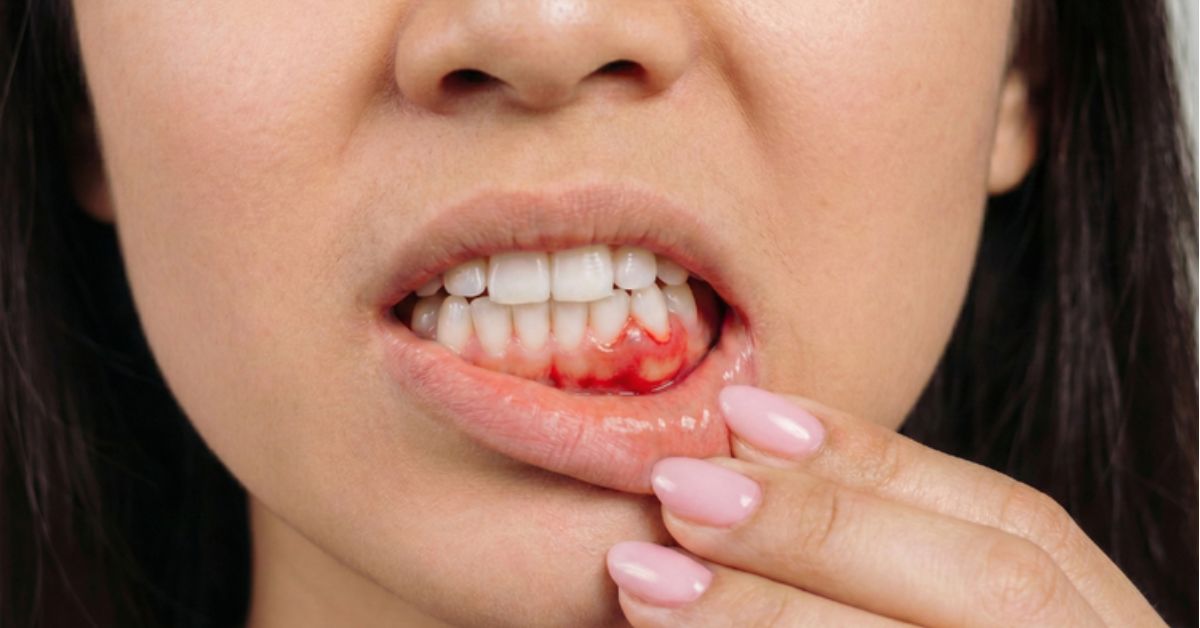
1. Bleeding Gums
Bleeding gums are often the first and most noticeable early signs of gum disease. While many people assume a small amount of bleeding during brushing or flossing is normal, healthy gums should not bleed at all. Bleeding usually occurs because plaque bacteria irritate the gum tissue, causing inflammation.
You may notice blood:
- When brushing your teeth
- While flossing
- After eating hard foods such as apples
- When rinsing your mouth
If the bleeding continues for more than a few days, it’s important to book a dental examination. Early treatment can often reverse gingivitis before it progresses into more serious gum disease.
2. Red, Swollen Gums
Healthy gums should appear firm and pale pink. When bacteria build up around the gum line, your body’s immune system reacts by increasing blood flow to the affected area, causing the gums to become red, swollen, and tender.
You may also notice:
- Puffy gum edges
- Discomfort when brushing
- Increased sensitivity around certain teeth
- Gums that feel soft instead of firm
Persistent swelling is one of the most common gingivitis symptoms and should never be ignored, even if it isn’t painful.
3. Persistent Bad Breath
Occasional bad breath after eating certain foods is normal, but bad breath that lingers despite regular brushing and mouthwash could be a sign of gum disease. Harmful bacteria trapped below the gum line release unpleasant-smelling compounds that cause chronic bad breath.
Warning signs include:
- Bad breath returning shortly after brushing
- A constant unpleasant taste in your mouth
- Family or friends noticing persistent bad breath
- Mouthwash providing only temporary relief
Treating the underlying gum infection is often the most effective way to eliminate persistent bad breath.
4. Receding Gums
Gum recession occurs when the gum tissue gradually pulls away from the teeth, exposing more of the tooth surface and sometimes even the root. This is often caused by ongoing inflammation from untreated gum disease.
Signs of gum recession include:
- Teeth appearing longer than before
- Small gaps forming between the teeth and gums
- Increased tooth sensitivity
- Visible tooth roots
If left untreated, gum recession can increase the risk of decay, sensitivity, and further damage to the supporting structures of your teeth.
5. Tooth Sensitivity
If you suddenly experience discomfort when drinking hot coffee, eating ice cream, or consuming sweet foods, your gums may be the cause. As gum tissue recedes, the protective layer around the tooth root becomes exposed, making teeth more sensitive to temperature changes.
Sensitivity related to gum disease may:
- Affect one or several teeth
- Come and go initially
- Gradually become more noticeable
- Feel like a sharp, sudden pain
A dental examination can determine whether your sensitivity is caused by gum disease, tooth decay, or another dental issue.

6. Loose or Shifting Teeth
Healthy gums and jawbone keep your teeth securely in place. As gum disease progresses, bacteria begin to destroy the tissues and bone supporting the teeth. This can cause teeth to loosen, move slightly, or create new spaces between them.
You may notice:
- Teeth that wobble slightly
- Changes in tooth alignment
- Difficulty biting into food
- Food becoming trapped between teeth more often
Loose teeth are usually a sign of advanced gum disease and require prompt treatment to help preserve your natural teeth.
7. Pain or Discomfort When Chewing
Pain while chewing isn’t always caused by cavities. Inflamed gums can become sensitive when pressure is applied during eating, especially if the infection has spread deeper into the supporting tissues.
You might experience:
- Pain when biting down
- Tenderness around one or more teeth
- Discomfort while chewing harder foods
- Pressure sensitivity in the gums
If chewing becomes uncomfortable without an obvious reason, it’s important to have your gums examined as soon as possible.
8. Pus Around the Gums
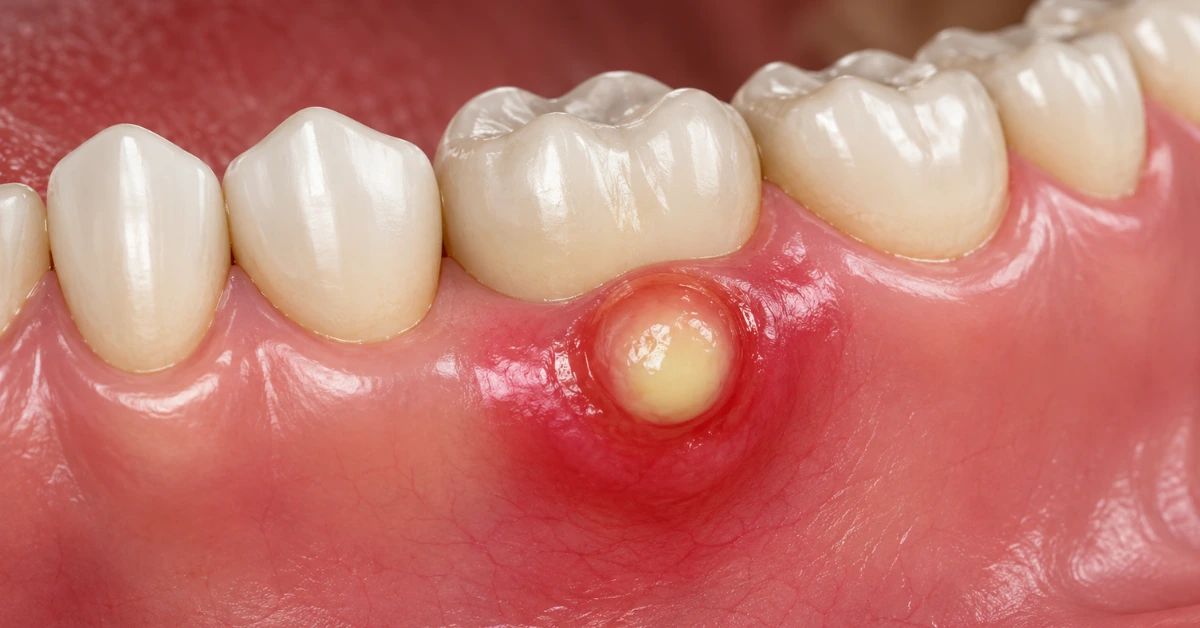
Pus is one of the clearest signs that a bacterial infection is present. It may appear as a white or yellow discharge around the gum line or between the teeth and gums. This often indicates the formation of a gum abscess, which requires prompt dental care.
Other symptoms may include:
- Swelling around a specific tooth
- A foul taste in the mouth
- Persistent bad breath
- Throbbing pain or pressure
Ignoring an abscess can allow the infection to spread and lead to more serious complications.
9. Changes in the Way Your Teeth Fit Together
As gum disease damages the tissues supporting your teeth, they may gradually shift position. Even small movements can affect how your upper and lower teeth meet when you bite.
You may notice:
- Your bite feels different
- New gaps developing between teeth
- Difficulty chewing comfortably
- Changes in the fit of dentures or retainers
These changes often happen slowly, making regular dental check-ups important for early detection.
10. Deep Pockets Between the Teeth and Gums
Healthy gums fit snugly around your teeth. When gum disease develops, the gum tissue begins to separate from the tooth, creating small spaces known as periodontal pockets. These pockets trap bacteria and food debris, making the infection worse over time.
As the pockets deepen:
- More bacteria accumulate below the gum line
- Cleaning becomes increasingly difficult
- Bone loss may begin
- The risk of tooth loss increases
Your dentist in Liverpool can measure the depth of these pockets during a periodontal examination. Detecting and treating them early is key to preventing advanced gum disease.
How to Prevent Gum Disease?
Good oral hygiene is the best defence against gum disease.
- Brush Twice Daily: Use fluoride toothpaste and brush for at least two minutes.
- Floss Every Day: Floss removes plaque from between teeth where brushes cannot reach.
- Use an Antibacterial Mouthwash: This helps reduce harmful bacteria.
- Visit Your Dentist Regularly: Professional examinations help detect problems before they worsen.
- Stop Smoking: Smoking significantly increases the risk of periodontal disease.
- Eat a Balanced Diet: Foods rich in vitamins C and D support healthy gums.
Conclusion
Recognising signs of gum disease promptly can make a significant difference to your long-term oral health. Early diagnosis allows for more conservative treatment and can help prevent permanent damage. If you’re experiencing any of these warning signs of gum disease, book an appointment with REVO Dent.
Our experienced Dentist team can assess your gum health and recommend the most appropriate treatment, including advanced laser gum treatment where suitable.
